Shalom u’vracha. First of all, I humbly wish you that before I finish answering this question, there will no longer be a need for an answer, because you will have found your spouse, the one destined for you from the root of your soul, at an auspicious time and with mazal tov.

The virtue of honoring one’s father and mother as a segulah for finding a shidduch
Fortunate are you for striving to honor your parents. This is indeed a wonderful segulah for finding a shidduch, as taught by our master, the author of the Chafetz Chaim, of blessed memory. The angel created through the mitzvah of honoring parents knows how to intercede favorably regarding shidduchim more than angels created through other mitzvot. In my humble opinion, one may add that this is measure for measure: the person delayed in finding a shidduch will merit becoming a father or mother whom their children honor. However, there is a tradition in the family of the hidden tzaddik Rabbi Moshe Mendel, of holy and blessed memory, that this requires honoring parents with mesirut nefesh—even in situations that are extremely difficult, honoring them in an exceptional manner. Through this, the aforementioned angel is created; therefore, one must invest all one’s strength in this area. The book Acharecha Binyamin (p. 278) cites Rabbi Binyamin Batzri, of blessed memory, that studying the laws of honoring one’s father and mother is also a segulah for finding one’s destined spouse.
The main thing is to pray
There are, of course, additional segulot, but before all else, one must know that before seeking segulot and advice for shidduchim—or for any other matter—the main thing is always prayer: to pray for one’s destined spouse. Our Sages, of blessed memory, said in Berachot 32b: “Rabbi Chama son of Rabbi Chanina said: If a person sees that he prayed and was not answered, he should pray again, as it is stated: ‘Hope in Hashem; be strong and let your heart be courageous; and hope in Hashem.’” Prayer from the depths of the heart, with tears, for the gates of tears have not been closed (Berachot 32b). Segulot are only an additional “push”; they are not the main thing. The main thing is to examine one’s deeds and pray from the depths of the heart. Do not rely solely on charity funds to pray for you; you must pray for yourself as well. Teshuvah, prayer, and tzedakah avert the severity of the decree.
The trait of humility: do not be overly selective
It is very important not to seek unnecessary qualities in a prospective match, especially material ones. The main thing is that the prospective spouse possess the necessary spiritual qualities and not be outwardly repulsive. Beyond that, one should not seek additional qualities; one should be willing to compromise and act with humility. See Karyana D’Igarta (by the author of Kehillot Yaakov, Rabbi Yaakov Kanievsky, of blessed memory), vol. 2, no. 17 (in the new edition, vol. 1, no. 290).
Our Sages already alluded to this when they said “Nachit darga, נסיב איתתא” (“Lower yourself a level, and then marry a woman”—Yevamot 63a): specifically through humility, a person can attain his suitable spouse. [In addition, humility itself has a segulah-like power to bring about a worthy match, as cited in the name of the holy Rabbi Meir Shalom of Kalishin, of holy and blessed memory, in Nahar Shalom —see Derushei Simchah, p. 181.]
Now let us turn to the task before us and gather together the various segulot available with Heavenly assistance.
Below is a partial list of segulot for finding a worthy spouse found in sefarim:
- Rabbi Menachem Azariah of Fano wrote in Ma’amar Chikur Din, part 4, ch. 17, concerning the virtue of Psalm 121 (“Esa Einai”): “One who recites this psalm with concentration at the end of each of his prayers, before taking his steps back, will be sent a suitable spouse.” Note the conditions: it must be said at the end of the Amidah before taking three steps back; at every Amidah—Shacharit, Minchah, and Arvit—consistently until finding one’s match; and with concentration, at least understanding every word. From Heaven, a suitable match will be presented, but if one rejects it for improper reasons, there is no guarantee. Halichot V’Hanhagot Imrei Sofer, gate 4, note 74, cites the Erlauer Rebbe that after reciting “Esa Einai,” one should ask in one’s own words for a shidduch. Rabbi Batsheva Kanievsky, of blessed memory, testified that while she was single, her father, Rabbi Yosef Shalom Elyashiv, of blessed memory, performed this segulah for her shidduch, based on what he received from the kabbalist author of Leshem Shevo V’Achlamah. Thus, others may do this on behalf of one seeking a spouse.
- Rabbi Chaim Palagi, of blessed memory, wrote in Ruach Chaim, no. 426, subsection 4, that reciting Birkat HaLevanah with a congregation and great concentration is a segulah for a shidduch. Some add, in the name of the hidden tzaddik Rabbi Shalom Rachamim, that while saying “From where will my help come? My help is from Hashem, Maker of heaven and earth,” one should intend to merit an ezer k’negdo, a suitable helpmate, or mention the name of the person needing a shidduch.
- In his book Refuah V’Chaim, he wrote that one should recite daily the offerings of the tribal leaders in the Book of Bamidbar, from the beginning of chapter 7 (verses 1–86).
- The author of Geza Yishai, in his siddur Beit Oved, laws of Erev Shabbat, wrote that Shir HaShirim has the power to “open” any matter that is stuck; therefore, one should read Shir HaShirim aloud with proper cantillation for forty consecutive days.
- Likutim MiPardes, Marriage no. 23, brings a segulah to recite Shirat HaYam with concentration and joy. Since the Sages said in Sotah 2a that arranging a person’s match is as difficult as splitting the Sea of Reeds, when one wholeheartedly thanks Hashem for that miracle, He performs another miracle of a similar nature.
- Being careful with the standards of tzniut is a segulah for a worthy match (V’Shamru La’asot, p. 204).
- Answering “Amen” with concentration is a segulah for a worthy match (Yalkut Avraham Wiener Mo’adim, vol. 2, p. 202).
- Some have the custom that a bride, after her wedding, cuts fabric from her veil and distributes it to women seeking a match, who wrap it around their thumbs as a segulah for a shidduch (Noheg B’Chochmah, p. 69).
- A segulah for a shidduch in the name of the kabbalist Rabbi Chaim HaKohen “HaChalban,” of blessed memory: light a candle for forty consecutive days and nights, excluding Shabbat, in elevation of the soul of the holy tanna Rabbi Matya ben Charash (Or Pnei Chaim, Parashat Bo, p. 37). Also well known is the segulah of eighteen candles in elevation of the soul of Rabbi Matya ben Charash. The eighteen-candle segulah is beneficial for all needs, including shidduchim, whereas the forty-day practice is specifically for shidduchim.
- The mitzvah of shiluach haken is a segulah for a shidduch, based on Tanchuma, Ki Tetze 1, which teaches that through this mitzvah one merits a chain of blessings culminating in a wife and children. See Rabbi Baruch Sharga’s Baruch She’Amar, Yoreh De’ah no. 188.
- The author of Ben Ish Chai wrote in Nifla’im Ma’asecha that a segulah for a worthy match is to recite daily Psalms 32, 38, 70, 71, and 124; this is also cited in Rephael HaMalach. Some cite the kabbalist Rabbi Yitzchak Kaduri, of blessed memory, with a slightly different list: Psalms 31, 32, 70, 72, and 124, for forty days, praying for the shidduch after each recitation. The Sadigura Rebbe, author of Knesset Mordechai, recommended Psalm 68. To fulfill all these approaches, one may say daily Psalms 31, 32, 38, 68, 70, 71, 72, and 124, and then pray for one’s destined spouse in the merit of the verses and the holy Names alluded to in them.
- Maran the Rishon LeTzion, shlit”a, in Yalkut Yosef, Orach Chaim vol. 5, 2004 edition, p. 75, recommended reciting Psalms 8 and 15.
- Divrei Yaakov Ades states—though the source has not presently been rechecked—that one should say daily chapter 25 of Mesillat Yesharim; it is also beneficial for shalom bayit and all forms of family distress. Various sources cite segulot for shidduchim from Rabbi Chaim Kanievsky, of blessed memory: avoiding lashon hara; not speaking critically or taking offense; studying tractate Kiddushin, for men, and if one completed it without being answered, also tractate Ketubot; and, at a bread meal with a zimun, serving as the one who leads the zimun. Rebbetzin Batsheva Kanievsky, of blessed memory, recommended studying two laws of lashon hara daily. If you are a woman, buy a tallit for your intended groom and keep it in your private closet; elsewhere we have presented the sources for this segulah.
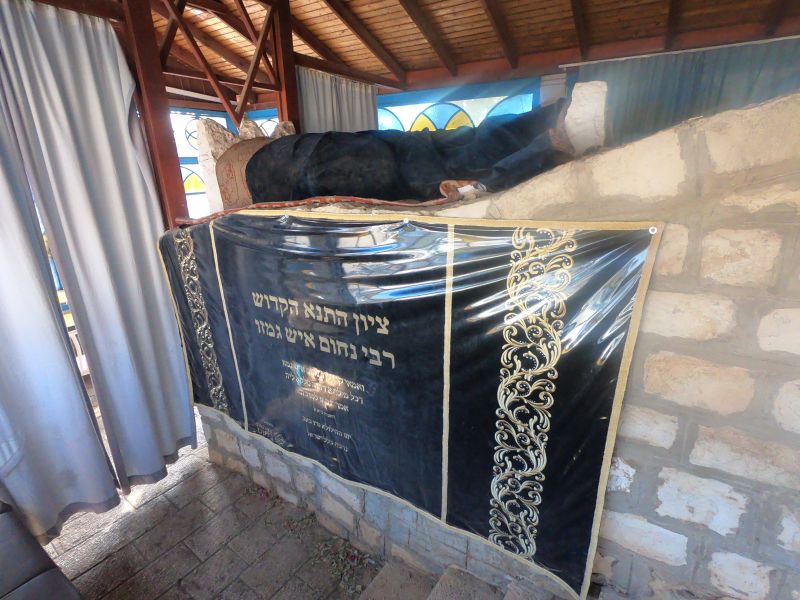
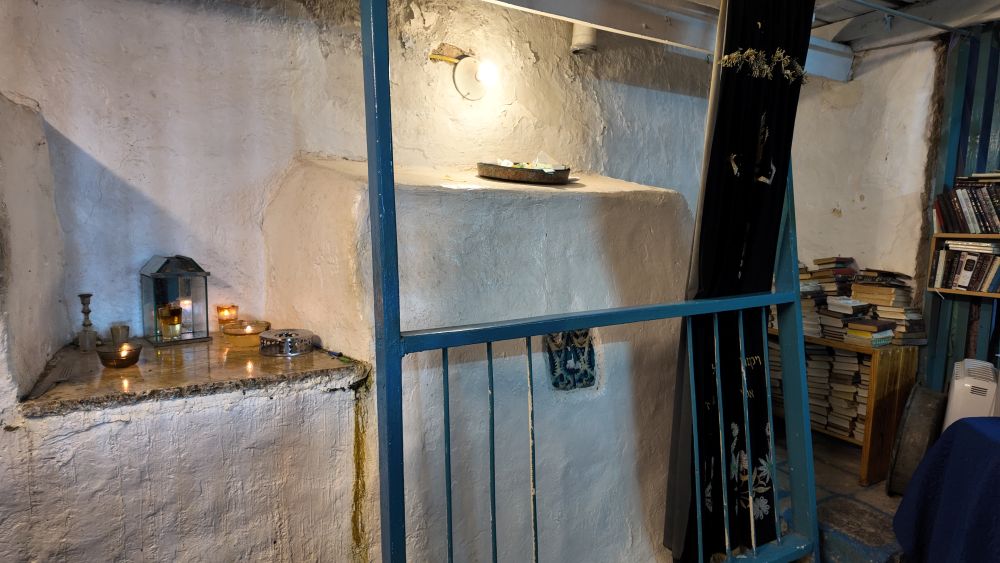
- Pray at the grave of Rabbi Yonatan ben Uziel. Maran, our crown and glory, Rabbi Ovadia Yosef, of holy and blessed memory, encouraged this, but said that it is not enough to pray there once; one should go two or three times. Elsewhere we have presented the sources.
- A segulah in the name of Rabbi Yaakov Edelstein, of blessed memory, for a woman delayed in finding a match: she should undertake that after marrying, she will set aside a bed in her home specifically for guests.
- Reciting the entire Book of Tehillim continuously, without interruption, is a segulah for a shidduch, children, and livelihood (Chazon Yeshayahu, Amarot Tehorot, Rabbi Yoshiya Pinto, shlit”a, p. 90).
- A segulah for a shidduch is supporting Torah scholars financially (based on Vayikra Rabbah, parashah 27, section 2, and Mishpetei HaLevi, p. 366).
- A segulah for a worthy match is lighting the Havdalah candle (Vaya’er Lanu, practices of the holy Rabbi Yitzchak Eizik Vider, of blessed memory).
- A segulah to perform before Sukkot is to make an effort in building a sukkah, especially to build one for a righteous Torah scholar (Maran the Rishon LeTzion, shlit”a, in Yalkut Yosef, Sukkah, 2016 edition, p. 117).
- A segulah for the Seder night: one seeking a shidduch should pour into the sink the wine from the bowl into which the wine was poured while reciting “Dam, Tzefarde’a, Kinim,” and so forth. This is transmitted in the name of Rebbetzin Margalit Yosef, of blessed memory, wife of Maran Rabbi Ovadia Yosef, of holy and blessed memory, and appears in Rabbi Ozen’s Haggadah.
- Another segulah for Pesach: HaChodesh Asher Bo Yeshuot Makifot, by Rabbi Yosef Chaim Ohev Tzion, in the segulot section, chapter 23, cites Etzah V’Tushiyah, p. 223: Rabbi Eliyahu Lopian transmitted that when a family wishes one of its members to become engaged speedily, during Chol HaMoed Pesach a family member should place the shank bone that was on the Seder table into the right pocket of the unmarried man’s suit without his knowledge. When he puts on the suit and discovers the shank bone, he is assured that by the following Pesach he will be engaged. Note the three conditions: it must be done during Chol HaMoed Pesach, in the right pocket, and without the unmarried man’s knowledge. Some say, citing Osri LaGefen, vol. 8, p. 351, that on the day after the Seder, the person needing a shidduch should eat the shank bone.
- A segulah for Shavuot: read Shir HaShirim from a parchment scroll on Shavuot, and read the “Shtar HaTena’im,” the document of conditions between Hashem and the People of Israel composed by Rabbi Yisrael Najara, of blessed memory (Likutim Yam HaChochmah, Neshamatin Chadatin, on marriage, p. 73).
- Rainy days are especially propitious for praying for shidduchim (the author of Ben Ish Chai, of blessed memory, in Benayahu on Ta’anit 7a).
One of the rabbis who responds here, Rabbi Meir Pinchasi, shlit”a, also wrote about seeking a shidduch; see his article there.
A deed that is a segulah for a worthy match, and a segulah for parents regarding wedding expenses
 In conclusion, it is fitting to bring an interesting segulah: a story about which great Chassidic leaders, of blessed memory, wrote that recounting it is a segulah for finding a worthy match, and also for parents who wish to marry off their children with greater financial ease. The following story is quoted verbatim from Siach Tzaddikim, Marriage, p. 46:
His holy honor, the Bobover Rebbe Rabbi Shlomo, of blessed memory, related: I heard from my father, author of Kedushat Tzion, of blessed memory, who heard from the holy Rabbi Shlomo of Bobov, of blessed memory, who heard from the holy Rabbi Eliezer of Dzikov, who was accustomed to tell what he himself heard from the holy author of Ohev Yisrael of Apta when he visited his court.
In the days of the holy author of Ohev Yisrael, there lived in Apta a man from among the members of his beit midrash, called Rabbi Hershele of Ribashov, after his birthplace. He devoted his days and nights to Torah and avodah, but had no means whatsoever, save for a daughter who had reached marriageable age.
His worry grew daily: where would he find the means to marry off his daughter? He consulted his wealthy friends, Chassidim of the holy Rabbi of Apta. They said: “We are soon traveling to the great fair in Brod, where many prominent wealthy men gather. Travel with us. We will dress you in fine clothing as one of the wealthy men, lodge you with us in a respectable inn, and, since you speak little by nature, we will seek a suitable match for your daughter.”
With no alternative, Rabbi Hershele agreed and traveled with them. Upon arriving in Brod, the merchants told the innkeeper to prepare a large, distinguished room for the famous wealthy Rabbi Hershele of Ribashov, who had arrived with them. They publicized throughout Brod that this wealthy man had come to seek a worthy match for his only daughter and was prepared to give a dowry befitting a man of his means.
Matchmakers proposed a suitable match with an outstanding young Torah scholar of distinguished lineage, son of a wealthy man from Brod. Rabbi Hershele tested the young man and found him filled with mastery of Shas and poskim. He was pleased and agreed to the match. The young man’s father asked, “Are you prepared to give such-and-such an amount as dowry?” Rabbi Hershele answered, “Where would that come from?” inwardly meaning literally, “From where could I give it?” To all questions he gave brief answers such as “Where would that come from?” or “Without a vow.” The engagement was concluded with mazal tov. The merchants arranged a lavish tena’im meal and charged it to Rabbi Hershele, saying that upon returning home he would send everything, including gifts appropriate to the groom’s honor. The groom’s father sent gifts to the bride, expecting his wealthy mechutan from Ribashov promptly to send corresponding gifts for the groom, and they parted as relatives by marriage. Rabbi Hershele returned to Apta.
When Rabbi Hershele came home and told his wife and daughter that he had arranged an engagement with an exceptional Torah scholar of great qualities, it seemed laughable to them. In their astonishment, they did not believe him until he showed them the engagement document.
Rabbi Hershele removed his fine garments, put back on his patched clothing, and returned to his Torah study in the beit midrash.
The mechutan in Brod waited for gifts for the groom and for a letter setting a wedding date, but received no reply. He assumed that his wealthy mechutan was occupied with his extensive business affairs, accounting for the delay.
He wrote: “Much time has passed since we entered into this marriage arrangement, and my son, the groom, awaits the gifts. Please revive our spirits with a prompt reply.” Knowing that he had become engaged to the wealthy Rabbi Hershele of Ribashov, he sent the letter to a wealthy man of that name in Ribashov, who had no children, Heaven forfend. On receiving the letter, this man thought that some joker had sent it to mock him, and he paid it no attention.
Several more weeks passed without an answer. The mechutan became upset and wrote a sharper letter, which he again sent to the wealthy Rabbi Hershele in Ribashov. The wealthy man again ignored it, thinking that an enemy wished to cause him anguish.
When the mechutan from Brod received no answer even to the second letter, he was deeply distressed. He consulted his family, and they decided to travel themselves to Ribashov to discover what had happened. When they arrived at the wealthy man’s house, they were shocked to see that he was not the Rabbi Hershele with whom they had arranged the match. They told him of their distress: they had become engaged to someone claiming to be the wealthy Rabbi Hershele of Ribashov, and did not know where to find him, for he had sent no response.
The wealthy man apologized: “It is true that I received two letters from you on this matter, but since I have no children, Heaven forfend, I thought someone was trying to cause me pain, and therefore I did not answer.”
The people left the wealthy Rabbi Hershele’s home disheartened. His wife said, “The city of Apta, where my ancestors are buried, is nearby. Let us go to the cemetery and pray at their graves to relieve our anguish.” He agreed, and they went straight to the cemetery in Apta. At its entrance stood a woman collecting alms from passersby. She said: “Please give me a generous donation for Rabbi Hershele of Ribashov, who is a holy man, a servant of Hashem, and an exceptional Torah scholar.” When they heard the name Rabbi Hershele of Ribashov, their hearts melted. The wealthy man from Brod said, “I will give you a generous donation, but please show me where Rabbi Hershele of Ribashov lives.”
She replied: “He sits in the beit midrash of our master, the Rabbi of Apta, and you can find him there.” Without delay, he went to the beit midrash, immediately recognized Rabbi Hershele as his mechutan, and saw that he was very poor, in torn clothing, supported by funds collected for him. He understood that some deception had occurred, since Rabbi Hershele could not possibly provide a dowry, and immediately went to summon him to the court of the rabbi, the av beit din of Apta.
Rabbi Hershele also recognized his mechutan. He hurried home and told his household: “Our mechutan from Brod has arrived; we should prepare lunch for him.” Yet they had nothing at home but one chicken. They quickly sent the girl to the shochet with it, but on the way the chicken slipped from her hand and ran away. She chased it beyond the city.
The chicken entered a ruin that people feared to enter. In her eagerness to catch it—the only food available for lunch for their mechutanim—the girl ignored the danger and ran inside. There she found a great treasure of gold coins worth an immense fortune. She forgot about the chicken, filled her apron with gold coins, and brought them home, filling the house with joy.
Meanwhile, an agent of the beit din arrived to summon Rabbi Hershele. He put on his respectable clothing and went immediately to the rabbi’s court. The mechutan from Brod presented his claims: this Rabbi Hershele had disguised himself in rich garments, come to Brod as a great wealthy man, stayed in a fine inn, become engaged with him, and promised a large dowry. Now that he had discovered him to be poor and unable to fulfill his promise, he wished to break the engagement, have the gifts returned, and impose a fine for the embarrassment caused to his exceptional son.
Rabbi Hershele replied: “Has my mechutan found, Heaven forfend, any disqualification or fault in me or in my daughter? His entire claim concerns the dowry, and I will fulfill it, without a vow, to the last coin!”
The Rabbi of Apta was greatly astonished, for he knew Rabbi Hershele to be destitute. But knowing him to be a truthful man, he understood that there must be more to the matter. He ruled that Rabbi Hershele was obligated to pay the dowry and set the wedding date within three months. The mechutan claimed that Rabbi Hershele also owed him for the expenses of the tena’im meal, and should pay his share as well. Rabbi Hershele did so, paying ten gold coins in psak gelt, which he gave to the holy Rabbi of Apta.
When the holy Rabbi of Apta told this story, he opened his desk drawer, took out two gold coins, and said: “These remained with me as a remembrance and testimony of this incident.”
When the holy Rabbi Eliezer of Dzikov recounted it, he said: Telling this story is a segulah for finding a worthy match and for marrying off one’s children with ease.
This concludes the story.
May it be Hashem’s will that He remove from you all judgments and prosecuting forces, and may you soon merit to find a worthy spouse from the root of your soul. Amen, selah.
This response was translated automatically from Hebrew and has not yet been reviewed by a person. Therefore, it may contain inaccuracies and should not be considered a definitive reference.