
Those Who Study Torah Sustain the Entire World
In Chapter 1, verse 31: “And there was evening and there was morning, the sixth day” — there is a


Those Who Study Torah Sustain the Entire World
In Chapter 1, verse 31: “And there was evening and there was morning, the sixth day” — there is a
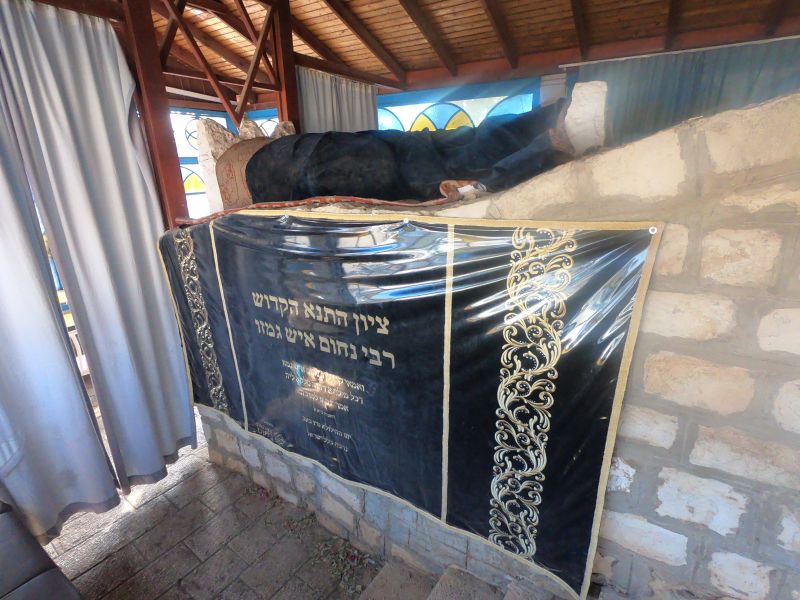
Tomb of Tana Hakadosh Rabbi Nachum Ish Gamzu
Rabbi Nachum Ish Gamzu was one of the first Tannaim (sages of the Mishnah era) and teacher of Rabbi Akiva

Jewish funeral / burial practice and customs
The Required Laws of a Jewish Funeral It is a positive mitzvah, ordained by the Sages, to accompany the deceased

The Tomb of the Tana Hakadosh, Rabbi Yosef Benaah
The Tana Rabbi Yosef Benaah (זיע״א) also called “The White Righteous One” or “The White Ari”) was known in his
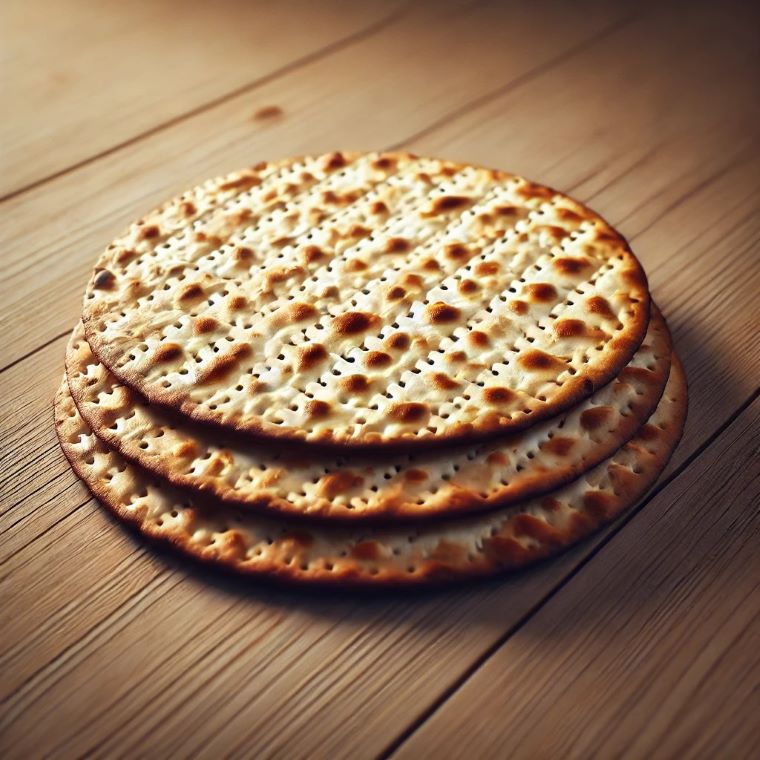
The laws of the eve of Passover that falls on Shabbat (2025)
This year (2025) the fourteenth of Nissan (the eve of Passover) falls on Saturday, the chametz is checked by candlelight

A Guide for Converting to Judaism
Introduction Many people wish to join the Jewish people, but few succeed in completing the conversion process. Not all those
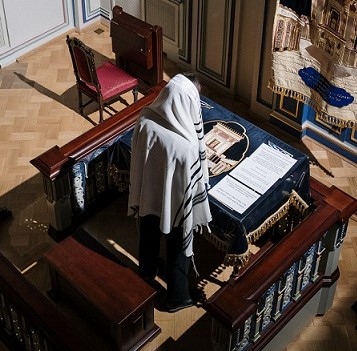
Should One Ideally Wait for Ten Before the Chazzan’s Repetition?
Sources: Maran in the Shulchan Aruch, Orach Chaim 55:6, rules: “If one of the ten began praying on his own

Roasting Eggplant Directly on a Stove Grate
Sources and Reasons: 1). The Darkei Moshe (Yoreh De’ah, siman 87, se’if katan 1) writes in the name of

Is It Permitted to Get Married on Erev Yom Tov?
Sources and Reasons: It Is Prohibited to Marry During Chol HaMoed The Mishnah in Moed Katan 8b states: One may

Sources and Reasoning: “Your name shall no longer be called Jacob, but Israel” — Israel is the primary name and

Trading in Forbidden Foods: Crabs and Eels
Sources In the view of most Rishonim, the prohibition against trading in forbidden foods is מן התורה. See the words

Counting the Omer 2026 – Which Day Is Today? When? All Dates and Schedule
This response was translated automatically from Hebrew and has not yet been reviewed by a person. Therefore, it may contain

A Penalty for One Who Forgot to Light Shabbat or Chanukah Candles
Sources: It further appears that Shabbat candles differ, for the Sages penalized one who forgot them and were more stringent

This response was translated automatically from Hebrew and has not yet been reviewed by a person. Therefore, it may contain

Answering Amen to One Who Recites a Blessing Without a Head Covering
Sources and Reasons: The Shulchan Aruch (siman 215, סעיף 2) states: One who hears a fellow Jew recite any blessing—even

Does Hair Mousse or Gel Constitute an Interposition for Tefillin?
Sources and Reasoning: Nothing should interpose between one’s flesh and the tefillin The Shulchan Aruch, Orach Chaim 27:4, rules as

Rescuing a Torah Scroll from Non-Jews
Sources and Reasons: The Prohibition Against Giving a Torah Scroll to a Non-Jew The Gemara in Sanhedrin 102a states: Rabbi